
Feng Shui bedroom tips for a calm space include positioning the bed diagonally opposite the door with the headboard against a solid wall for stability Yap Feng Shui Malaysia. Decluttering is key—clear surfaces and avoid under-bed storage to maintain smooth energy flow. Opt for soft, muted colors and natural materials like cotton and wood to cultivate serenity. Incorporate low-maintenance plants and gentle, adjustable lighting to enhance relaxation. Thoughtful arrangement of these elements supports restful sleep and overall well-being, revealing deeper insights into creating harmony.
Where To Place Your Bed For Better Feng Shui
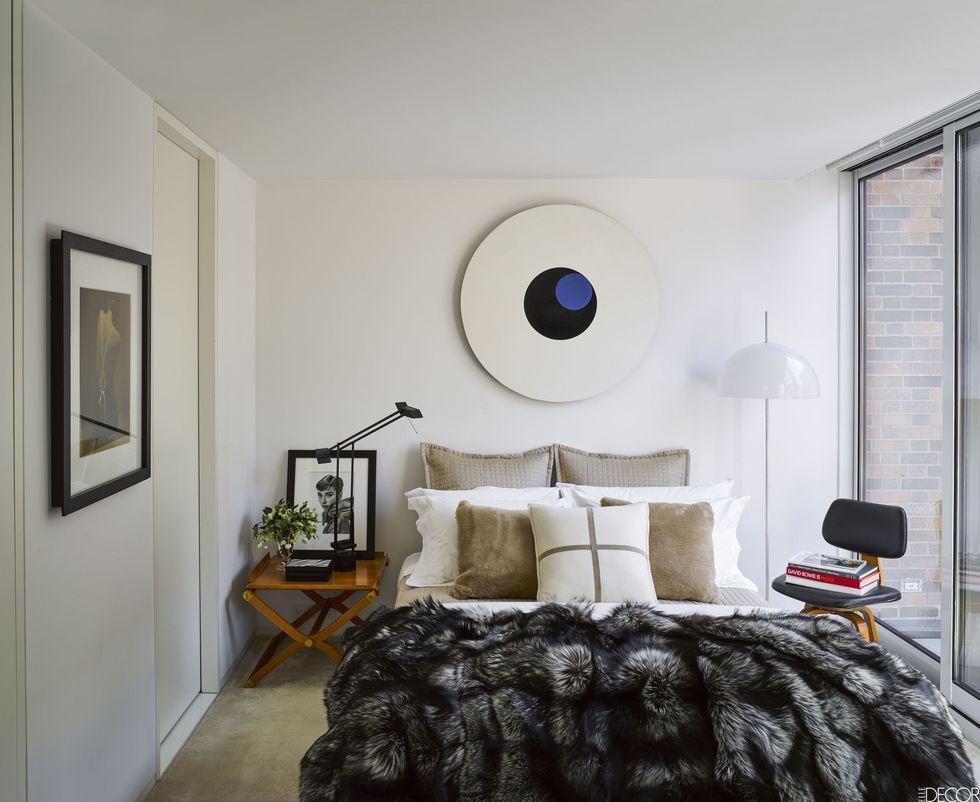
When arranging a bedroom according to Feng Shui principles, the placement of the bed is paramount in promoting restful energy and balance. Ideally, the bed should be positioned diagonally opposite the door, allowing a clear view without being directly aligned with it. This “command position” fosters a sense of security and control, essential for deep rest.
The headboard must rest against a solid wall to provide stability and support feng shui for bedroom, avoiding windows or empty spaces behind. Additionally, ample space on both sides of the bed encourages harmonious relationships and unrestricted energy flow.
Avoid positioning the bed under ceiling beams or in line with sharp corners, as this can create oppressive energy. Thoughtful bed placement supports freedom through tranquility and groundedness, enhancing both sleep quality and overall well-being.
Decluttering Tips For A Feng Shui Bedroom
Beyond ideal bed placement, maintaining an uncluttered environment is fundamental to cultivating positive energy in a Feng Shui bedroom. Clutter disrupts the smooth flow of chi, causing stagnation that undermines restfulness.
Experts recommend clearing surfaces of unnecessary items and organizing belongings into designated storage to promote calmness. Under-bed storage should be minimal or avoided, as it can trap energy and create subconscious stress.
Regularly evaluating possessions, removing those no longer serving one’s well-being, fosters emotional clarity. Practical approaches include using discreet containers and ensuring pathways remain open, allowing energy to circulate freely.
Choosing Colors And Materials For Feng Shui Calmness
In selecting colors and materials for a Feng Shui bedroom, careful attention to sensory harmony enhances the space’s calming effect. Soft, muted tones such as pale blues, gentle greens, and warm neutrals promote relaxation by invoking nature’s tranquility. These colors reduce visual tension and support restful energy flow.
Natural materials like cotton, linen, and wood contribute tactile warmth and organic balance, grounding the room’s atmosphere without overwhelming it. Fabrics should be breathable and smooth to the touch, encouraging comfort and ease. Avoid overly bright or harsh hues, which can disrupt serenity.
Thoughtful integration of color and texture cultivates an environment that fosters freedom from stress, allowing occupants to unwind fully in a space attuned to peaceful rest and rejuvenation.

Adding Natural Elements To Balance Feng Shui Energy
By incorporating natural elements, a Feng Shui bedroom achieves a harmonious balance of energy that supports well-being and tranquility. Integrating nature within this sacred space invites grounding, vigor, and calmness, essential for restful sleep and emotional freedom.
Practical application involves subtle, deliberate choices that enhance the room’s energy flow without overwhelming it.
- Plants: Select low-maintenance greenery with rounded leaves to purify air and introduce soothing life force.
- Natural fibers: Use bedding or rugs made from cotton, linen, or wool to foster tactile comfort and organic warmth.
- Wood accents: Incorporate wooden furniture or décor, symbolizing growth and stability, anchoring the bedroom’s energy.
These elements unite to create a serene environment, supporting both physical relaxation and mental clarity in alignment with Feng Shui principles.
Lighting And Decor Tips To Help You Relax
Lighting and decor consistently play a pivotal role in cultivating a tranquil Feng Shui bedroom atmosphere. Soft, adjustable lighting such as dimmable lamps or warm-hued bulbs encourages relaxation by mimicking natural light’s gentle shift. Avoid harsh overhead lights or glaring LEDs that disrupt calm energy flow.
Incorporating elements like sheer curtains diffuses sunlight, enhancing serenity while maintaining privacy. Decor should emphasize simplicity and balance—choose artwork and accessories that evoke peacefulness without cluttering the space.
Natural materials like wood, cotton, and linen support grounding energy, while subtle colors—muted blues, greens, and earth tones—promote restfulness. Thoughtful placement of objects guarantees free energy circulation, empowering occupants to feel unburdened.
Together, these lighting and decor strategies foster a liberating environment conducive to deep relaxation and restorative sleep.
Conclusion
Creating a serene and restful bedroom through feng shui involves thoughtful bed placement, mindful decluttering, and the use of calming colors and natural materials. Integrating elements like plants and soft lighting further harmonizes energy, fostering tranquility. By applying these expert principles, one can cultivate a balanced environment that supports relaxation and rejuvenation. This intentional design approach not only enhances sleep quality but also promotes overall well-being in the personal sanctuary of the bedroom.


