
Foot health underpins posture, gait, balance, and daily activity levels. Structural problems, pain, or sensory loss trigger compensatory changes in the knees, hips, and spine, increasing fall risk and energy cost. Peripheral neuropathy and poor circulation link directly to delayed healing your mobile podiatrist, infection risk, and reduced exercise capacity, worsening metabolic and cardiovascular outcomes. Targeted care—foot hygiene, appropriate footwear, orthotics, and early medical assessment—preserves function and independence. Further information outlines practical prevention and treatment steps.
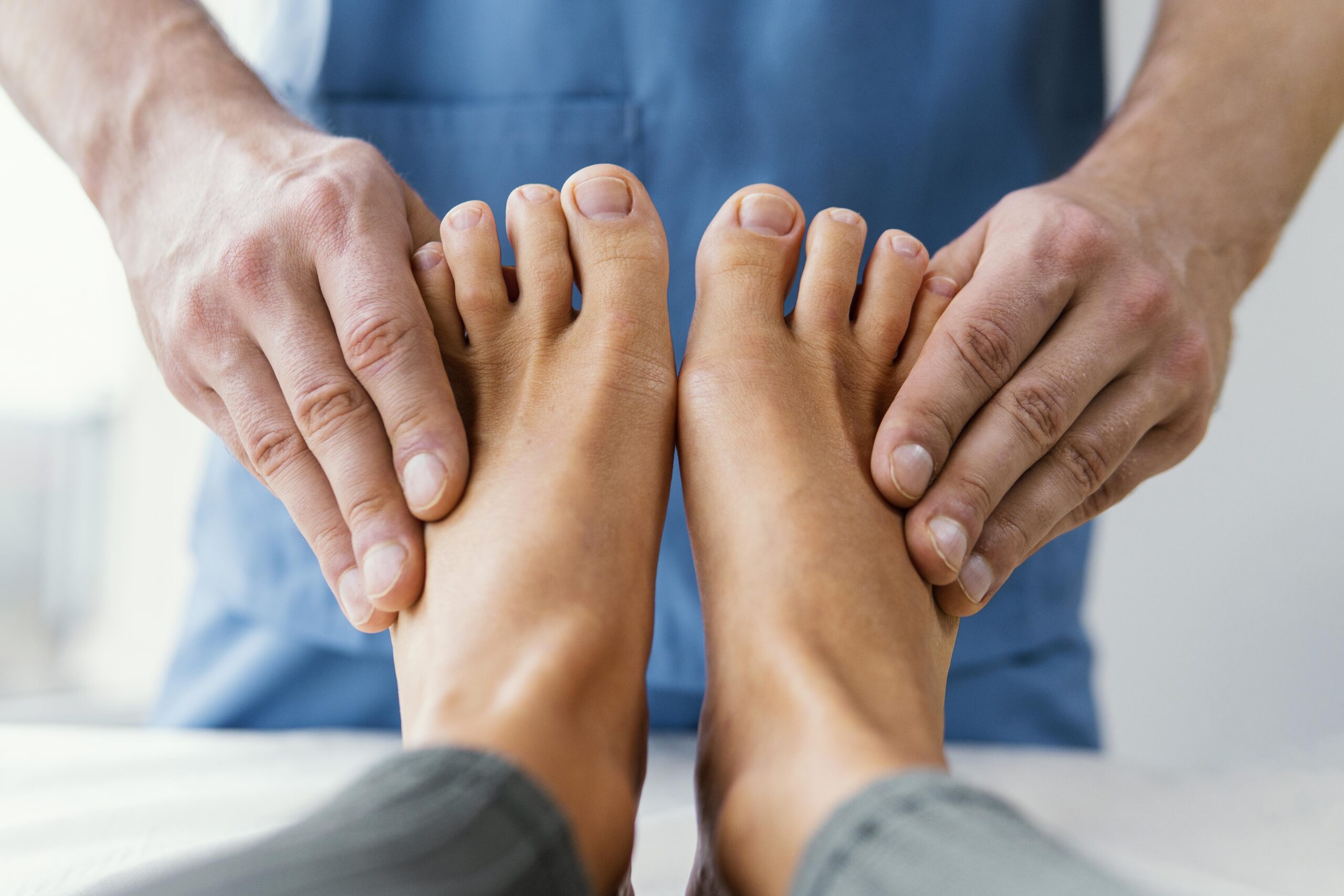
How Foot Health Links to Whole-Body Wellbeing
Recognizing the foot as a foundational component of the musculoskeletal system clarifies its influence on overall health: structural abnormalities, altered gait, and chronic foot pain can produce compensatory changes in posture and movement that increase risk for back, hip, and knee disorders https://peoplepodiatry.com.au/, reduce activity levels, and exacerbate cardiovascular and metabolic conditions through diminished exercise.
The foot mediates gait dynamics and provides continuous sensory feedback essential for balance and efficient locomotion. Impaired plantar sensation or joint dysfunction alters motor patterns, elevating energy cost and limiting endurance.
Clinicians note that targeted interventions—orthotics, progressive loading, sensory retraining, and footwear optimization—restore functional range, reduce pain, and enable sustained physical freedom. Patient-centered goals emphasize autonomy, safe mobility, and reintegration into preferred activities.
How Common Foot Problems Affect Posture, Mobility, and Fall Risk
Many common foot problems—such as plantar fasciitis, hallux valgus, metatarsalgia, peripheral neuropathy, and osteoarthritis—produce measurable effects on posture, gait mechanics, and balance that increase mobility limitations and fall risk. These conditions alter weight distribution, reduce ankle and toe mobility, and provoke compensatory spinal and hip adjustments that degrade alignment.
Altered gait mechanics—shortened stride, reduced propulsion, widened base—diminish walking efficiency and increase energy cost. Sensory loss and pain contribute to balance impairment, delayed reactive responses, and fear of movement, limiting activity and autonomy.
Clinical assessment of posture, gait, and balance identifies deficits amenable to orthotic support, targeted strengthening, manual therapy, and balance retraining. Early intervention preserves mobility and supports the individual’s desire for independent, confident movement.
The Cardiovascular and Metabolic Ties: Circulation, Diabetes, and Nerve Health
A substantial proportion of foot disorders are tightly linked to cardiovascular and metabolic health, where impaired circulation, diabetes-related metabolic disturbances, and neuropathic injury converge to compromise tissue viability, sensation, and healing capacity.
The interplay of peripheral neuropathy and diminished blood flow reduces protective sensation, increasing unnoticed trauma and ulceration risk.
Chronic hyperglycemia promotes microvascular damage and vascular inflammation, impairing oxygen delivery and immune response and delaying repair.
Autonomic dysfunction alters sweat and skin integrity, further elevating infection risk.
Clinicians should recognize these mechanisms to prioritize early screening, glycemic control, and vascular assessment, balancing interventions that restore function with patient autonomy.
Clear communication empowers individuals to participate in monitoring and timely care without restricting mobility unnecessarily.
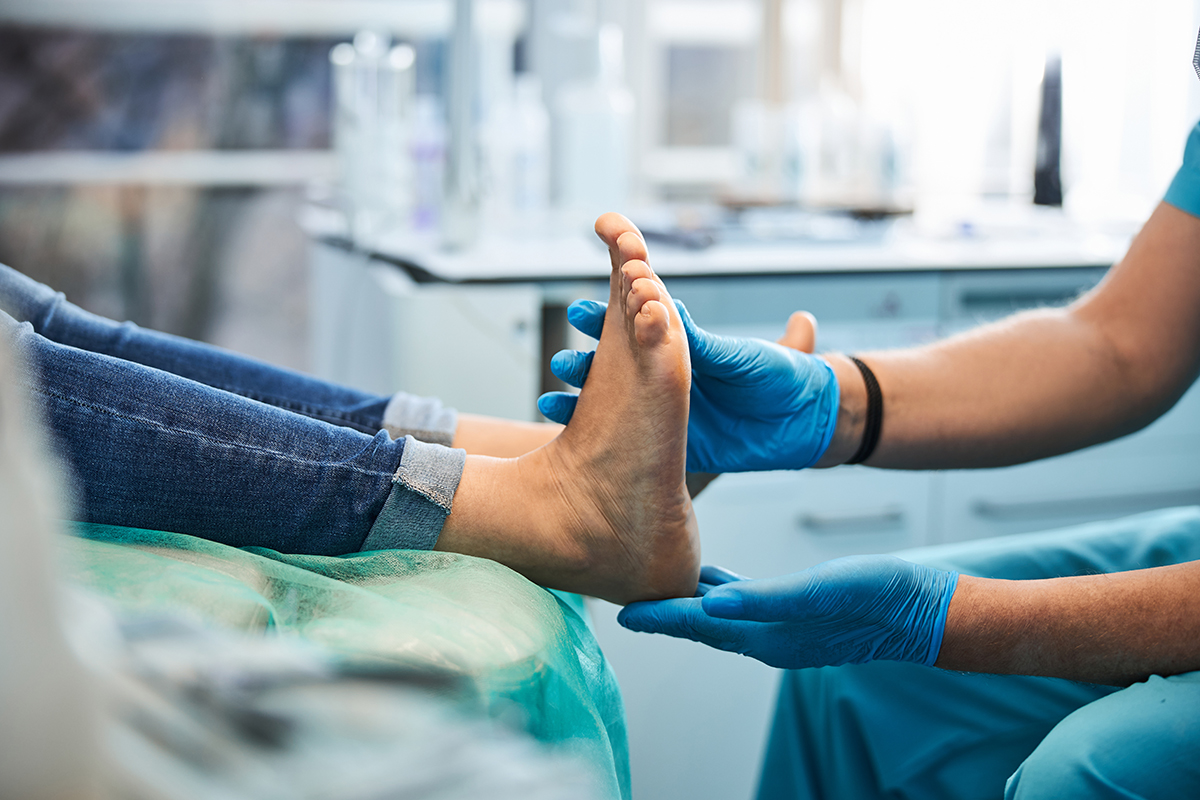
Daily Foot Care and Footwear Choices That Preserve Function
In daily routines rooted in prevention and comfort, meticulous foot care and appropriate footwear selection form the foundation for preserving mobility and averting complications.
A concise regimen emphasizes proper cleansing, thorough drying between toes, regular nail trimming, and skin inspections to detect early changes.
Footwear choices prioritize fit, toe-box width, heel stability, and shock absorption to maintain gait efficiency and reduce injury risk.
Supportive insoles can redistribute pressure, address mild biomechanical deviations, and prolong shoe utility when matched to individual needs.
Socks of breathable fibers and rotation of shoes aid moisture control and reduce fungal risk.
Guidance centers on empowering autonomy: consistent, simple practices that sustain function and enable continued participation in desired activities.
When to See a Podiatrist or Specialist and What to Expect
Recognizing warning signs early can prevent deterioration and guide timely referral to a podiatrist or relevant specialist. The patient is advised to seek care for persistent pain, nonhealing wounds, sudden deformity, numbness, or circulatory changes. Clear guidance on appointment timing reduces risk; urgent concerns warrant prompt evaluation, routine issues can follow standard scheduling. Specialist referrals may include vascular, rheumatologic, or orthopedic colleagues when systemic contributors are suspected. Expectations include focused history, targeted examination, diagnostic imaging or vascular testing, and a shared plan emphasizing function and autonomy. Communication about goals, risks, and conservative options empowers decisions. Follow-up frequency is individualized to response and risk.
| Urgent signs | Routine signs |
|---|---|
| Nonhealing wound | Chronic mild pain |
| Sudden deformity | Wear-related discomfort |
Conclusion
The evidence underscores that foot health constitutes a fundamental component of overall wellbeing, with biomechanical, circulatory and neuropathic factors influencing posture, mobility and systemic disease outcomes. Proactive measures—regular inspection, appropriate footwear, glycemic control and prompt management of pain or wounds—preserve function and reduce fall and complication risk. Timely referral to podiatry or relevant specialists guarantees targeted assessment and intervention. Integrating foot care into routine health maintenance supports autonomy, quality of life and preventive medicine goals.


