
Touch concept standards in exhibition booth design prioritize tactile engagement to deepen visitor interaction and brand recall. They recommend using varied, durable textures and natural materials to invite touch while integrating technology for personalized, intuitive experiences. Accessibility is essential exhibition booth design malaysia, ensuring layouts and signaling support all visitors. Maintenance standards focus on resilience and ease of repair to preserve tactile quality. An all-encompassing approach balances sensory appeal, inclusivity, and durability, shaping memorable, interactive exhibition environments worth exploring further.

Understanding the Importance of Tactile Engagement
Why does tactile engagement hold significant value in exhibition booth design? It creates a direct sensory connection that transcends visual appeal, fostering deeper visitor involvement.
This physical interaction invites attendees to explore and discover with autonomy, aligning with their desire for freedom in experience. Tactile elements serve as intuitive gateways https://www.touchconcept.com.my/, encouraging spontaneous engagement without constraints.
They enhance memory retention by linking touch to brand impressions, making encounters more memorable. Additionally, tactile engagement breaks down barriers between the exhibitor and visitor, promoting a welcoming atmosphere where personal choice drives interaction.
Fundamentally, integrating touch empowers visitors to navigate the booth on their own terms, cultivating a genuine, immersive experience that resonates beyond the event itself, ultimately amplifying brand impact through meaningful, self-directed exploration.
Materials and Textures That Enhance Interaction
The role of tactile engagement in exhibition booths extends naturally to the selection of materials and textures that invite touch and exploration.
Thoughtful material choices can transform a passive display into an interactive experience. Key considerations include:
- Varied Textures: Combining smooth, rough, soft, and hard surfaces stimulates curiosity and encourages visitors to physically connect with the booth.
- Durability: Materials must withstand frequent handling without degrading, ensuring consistent tactile quality throughout the event.
- Natural Elements: Incorporating wood, stone, or fabric adds warmth and authenticity, fostering a relaxed, inviting atmosphere.
Integrating Technology for Interactive Touchpoints
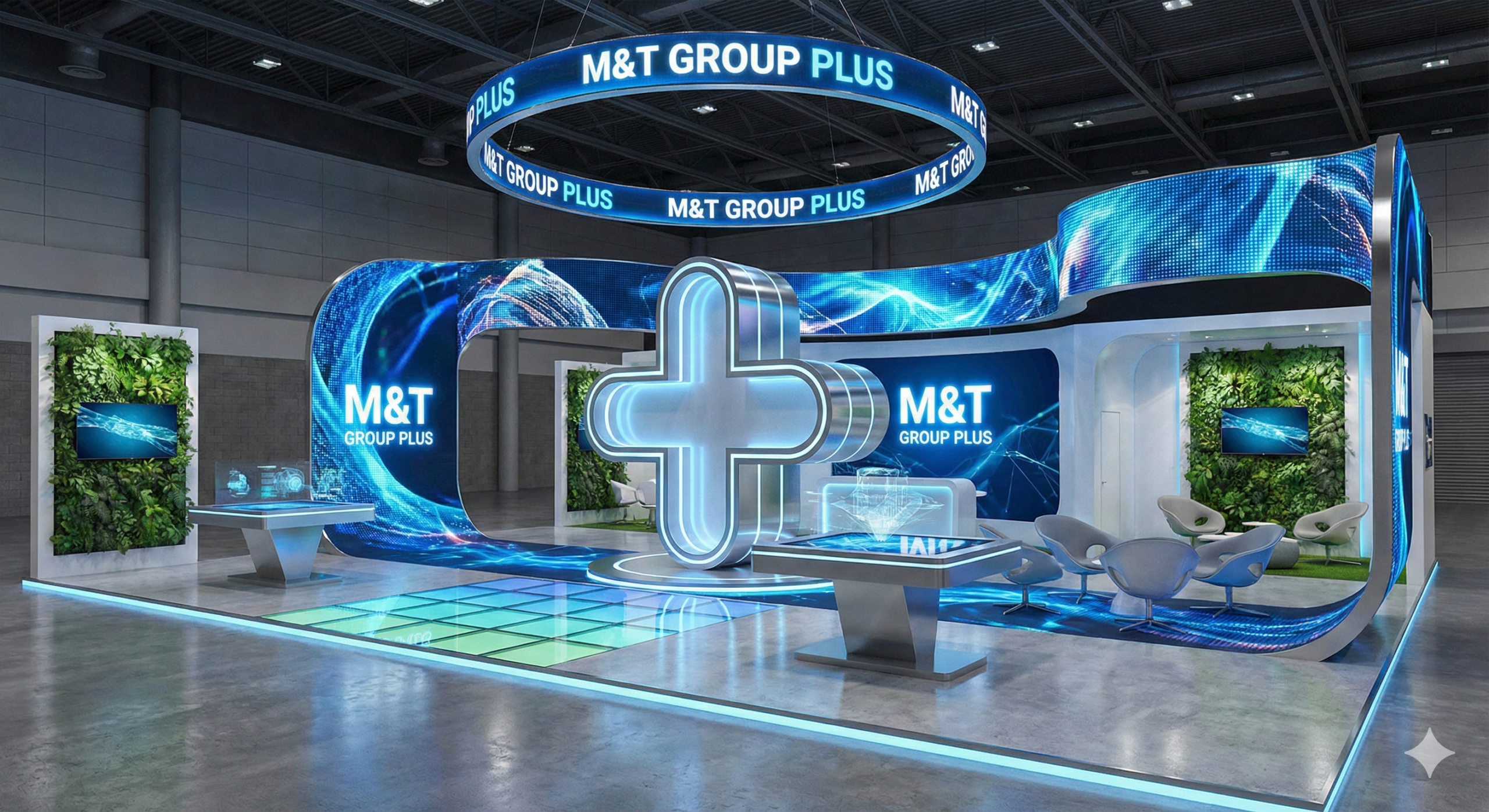
Innovation plays an essential role in transforming exhibition booths into dynamic environments that engage visitors through technology. Integrating interactive touchpoints allows attendees to explore content freely, fostering personalized experiences and deeper connections.
Touchscreens, gesture-controlled displays, and augmented reality elements offer intuitive access to information, enabling users to navigate at their own pace without constraints. These technologies support seamless interaction, enhancing engagement while maintaining simplicity.
Incorporating customizable interfaces empowers visitors to select relevant data, promoting autonomy and reducing dependence on staff. Furthermore, real-time feedback systems facilitate immediate response and adaptation, aligning with the evolving interests of the audience.
Thoughtful integration of technology guarantees that exhibition spaces remain open, inviting, and responsive, ultimately enriching the visitor journey with freedom and ease.
Accessibility Considerations for Inclusive Design
Although exhibition booths aim to captivate diverse audiences, ensuring accessibility is essential to creating truly inclusive environments. Accessibility considerations remove barriers, allowing freedom of movement and engagement for all visitors.
Key aspects include:
- Physical Accessibility: Booth layouts must accommodate wheelchairs and mobility aids, featuring wide pathways, ramps, and adjustable counters.
- Sensory Inclusivity: Incorporating clear signage, braille, tactile elements, and audio descriptions enhances interaction for visitors with visual or hearing impairments.
- Cognitive Accessibility: Simplified information, intuitive navigation, and staff trained in inclusive communication foster ease of understanding and participation.
Best Practices for Maintenance and Durability
Ensuring exhibition booths remain functional and visually appealing over time supports continued accessibility and engagement.
Best practices for maintenance and durability emphasize selecting high-quality materials resistant to wear, moisture, and UV exposure. Modular components facilitate easy repairs and updates, minimizing downtime and preserving design integrity.
Routine inspections identify potential issues early, allowing proactive interventions that extend booth lifespan. Protective finishes and coatings guard surfaces against damage from frequent handling and environmental factors.
Additionally, clear documentation of assembly and maintenance procedures empowers teams to perform consistent upkeep without dependence on specialized skills.
Prioritizing durability and straightforward maintenance enables exhibitors to maintain freedom in booth customization and operation, ensuring consistent presence and impact across multiple events while reducing long-term costs and resource consumption.
Conclusion
Incorporating touch concept standards in exhibition booth design greatly enhances visitor engagement through tactile interaction. Utilizing diverse materials and textures, alongside interactive technology, creates memorable experiences that appeal to multiple senses. Prioritizing accessibility guarantees inclusivity for all attendees, while adherence to maintenance and durability best practices assures long-term functionality. Together, these elements establish a cohesive and effective design approach that maximizes both visitor satisfaction and the overall success of exhibition presentations.


